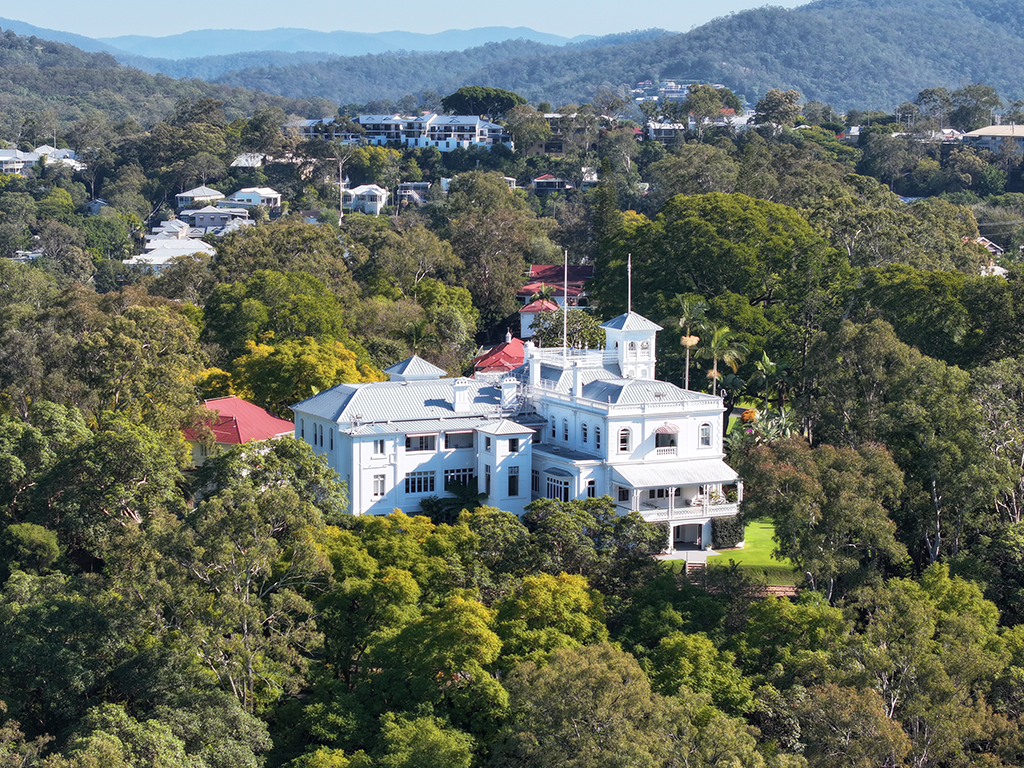
About Government House
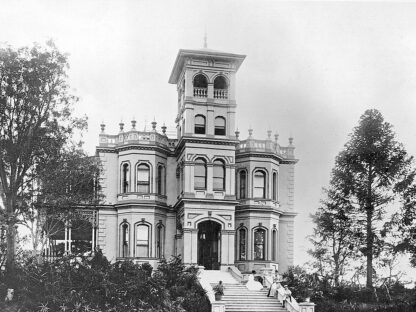
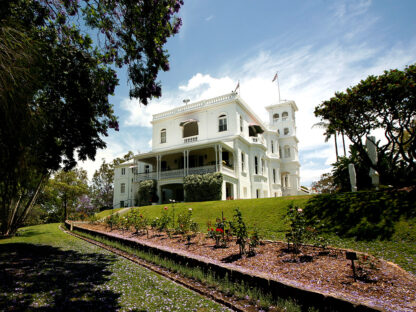
‘Fernberg’ was one of the first houses built in Brisbane’s Paddington area, by merchant Johann Heussler in 1865. Since 1910, the estate has been the home and workplace of Queensland Governors.
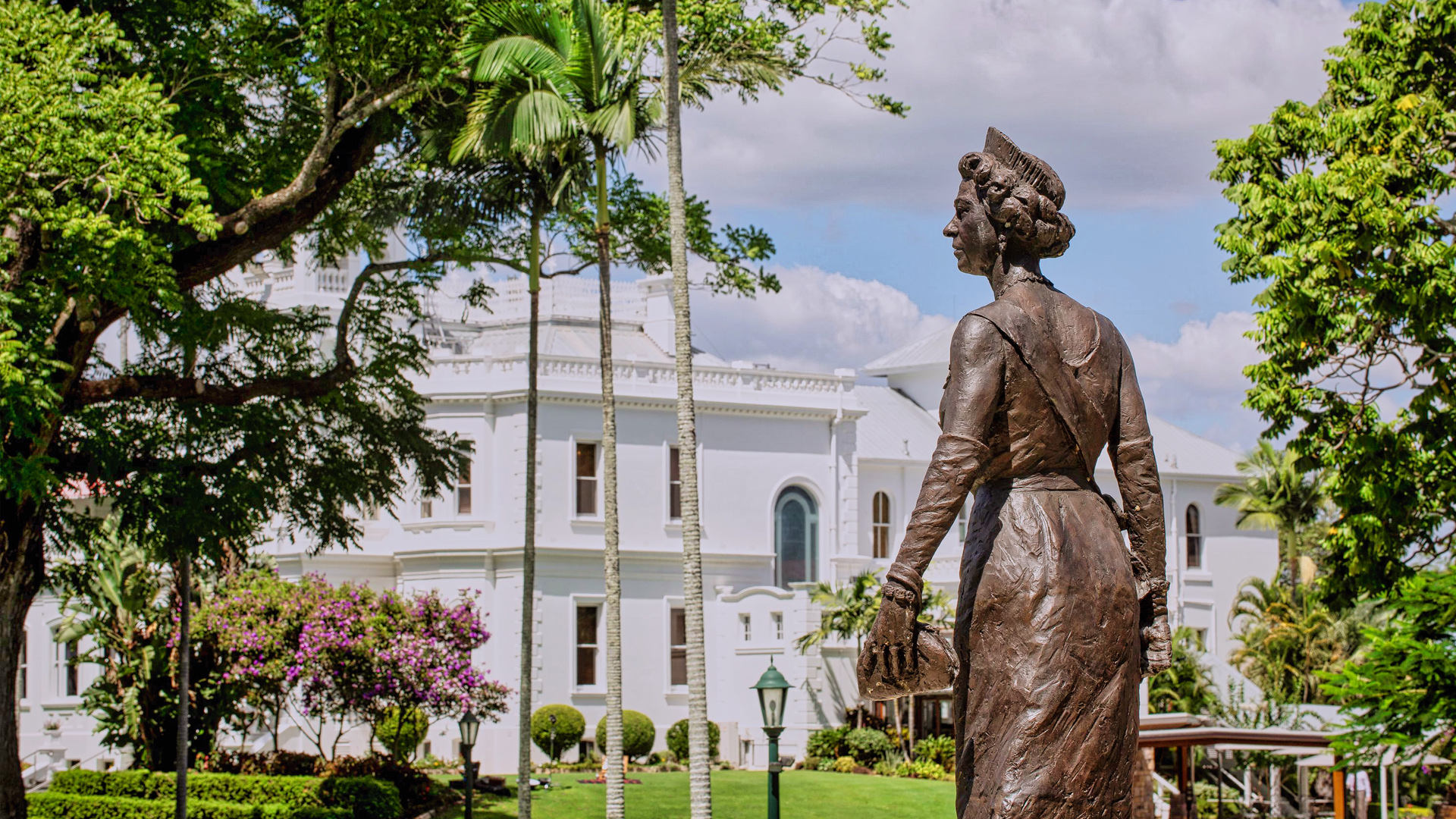
As a heritage-listed, State-owned residence surrounded by 14 hectares of Estate, it is an important Queensland landmark steeped in historical, cultural and environmental significance.
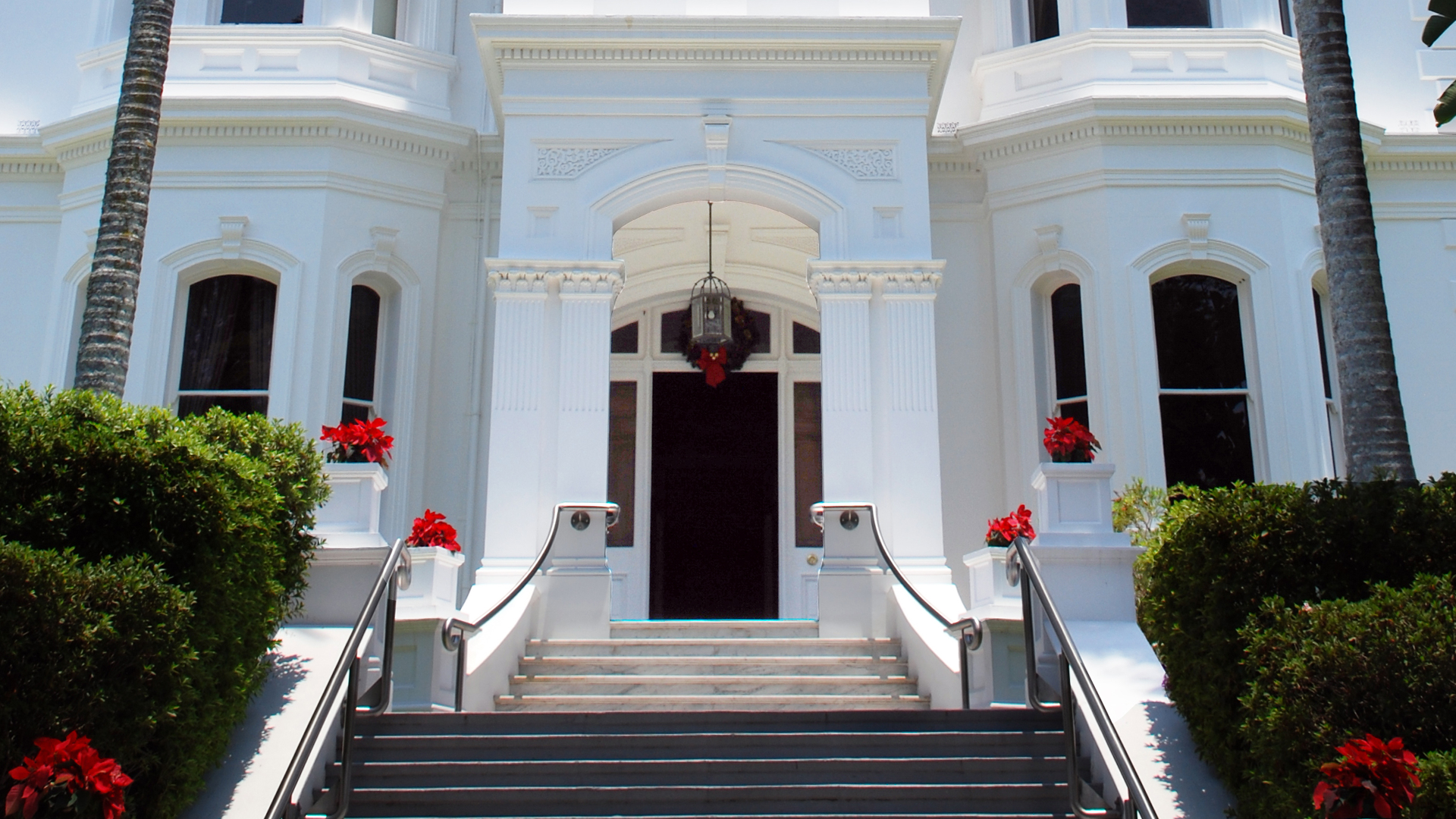
The Foyer
In the 1880s, another merchant, John Stevenson, purchased ‘Fernberg’ and began transforming it from a hill-top villa into a grand Italianate mansion.
He commissioned famous architect Richard Gailey, to design the iconic tower and front section of ‘Fernberg’. The Foyer is the centrepiece of these additions, and was originally a drawing room and reception area.
Portraits of monarchs who have reigned since Queensland became a separate colony in 1859 hang here.
The gemoetric (tesslataed) tiles were covered by wall-to-wall carpet in the 1950s and remained covered until 1997 during the tenure of Major-General Peter Arnison as Governor. Restored then and carefully maintained in the two decades since, the Minton tiles today tell an important part of the story of Government House.
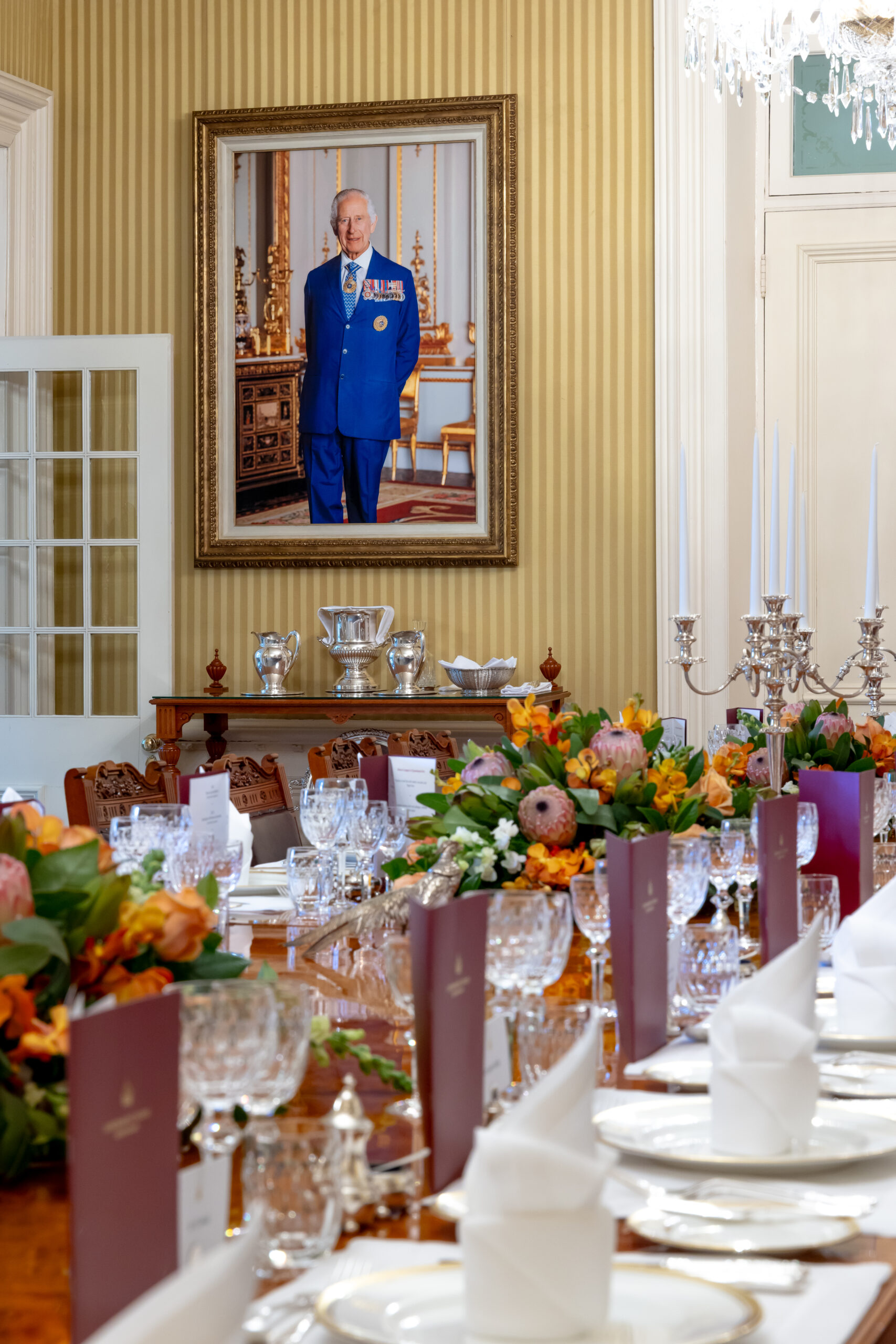
State Dining Room
The formal State Dining Room sits at the heart of the original 1865 building.
Formal dinners are hosted on the 24-seat dining table – built from local yellowwood in 1896 and brought to ‘Fernberg’ from Old Government House – acknowledging and thanking individual and community endeavour, and honouring distinguished guests visiting Queensland.
Portraits of Their Majesties King Charles III and Queen Camilla hang on the northern wall, a reminder of the Governor’s role as the sovereign’s representative.
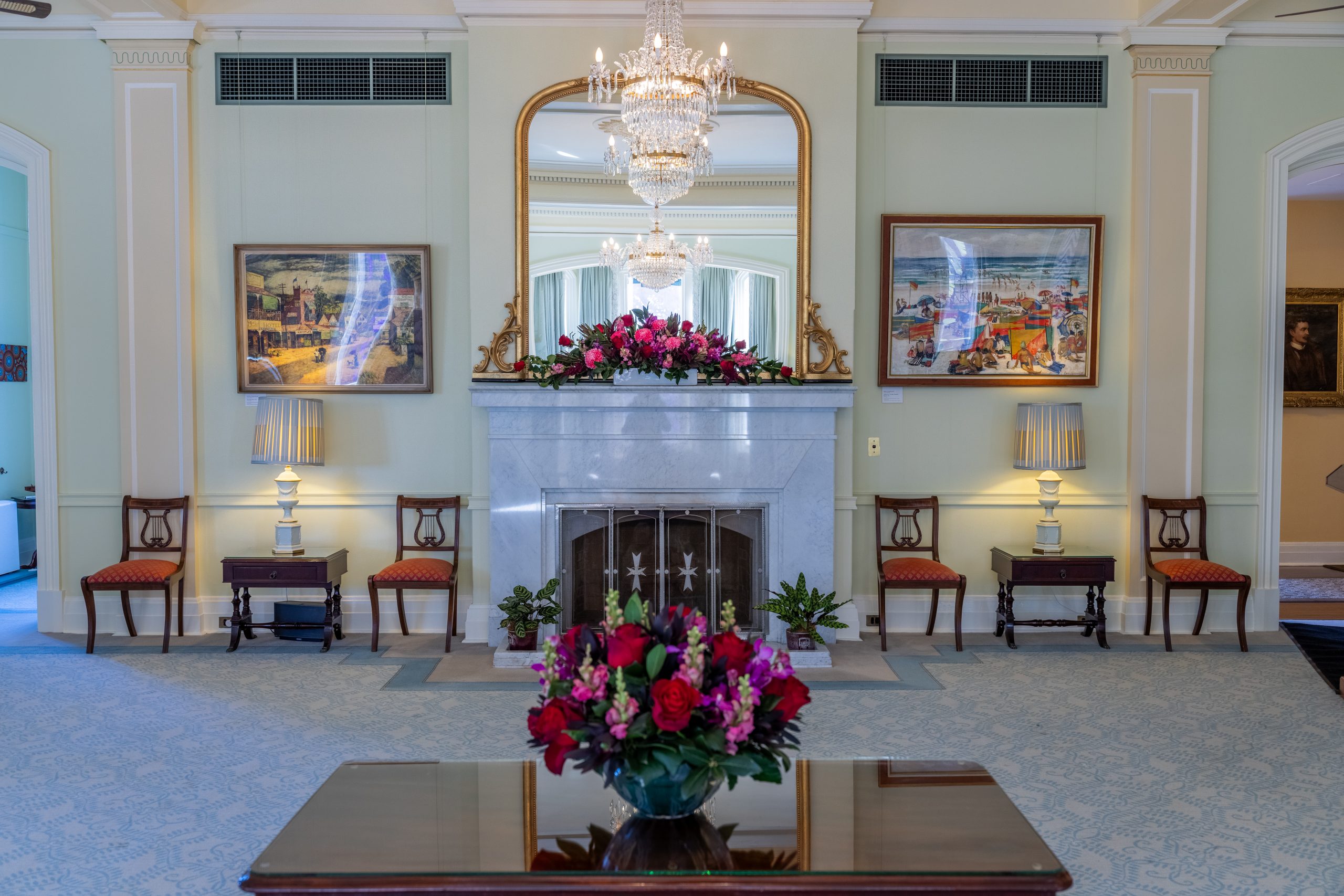
Drawing Room
The Drawing Room is the most used space within Government House, and is the venue for a range of events, with guests drawn from the Queensland community.
The Drawing Room was constructed during major refurbishment works to Government House in the 1930s.
Artwork on the walls reflect different perspectives of Queensland. Many are on loan from the Queensland Art Galley – Gallery of Modern Art.
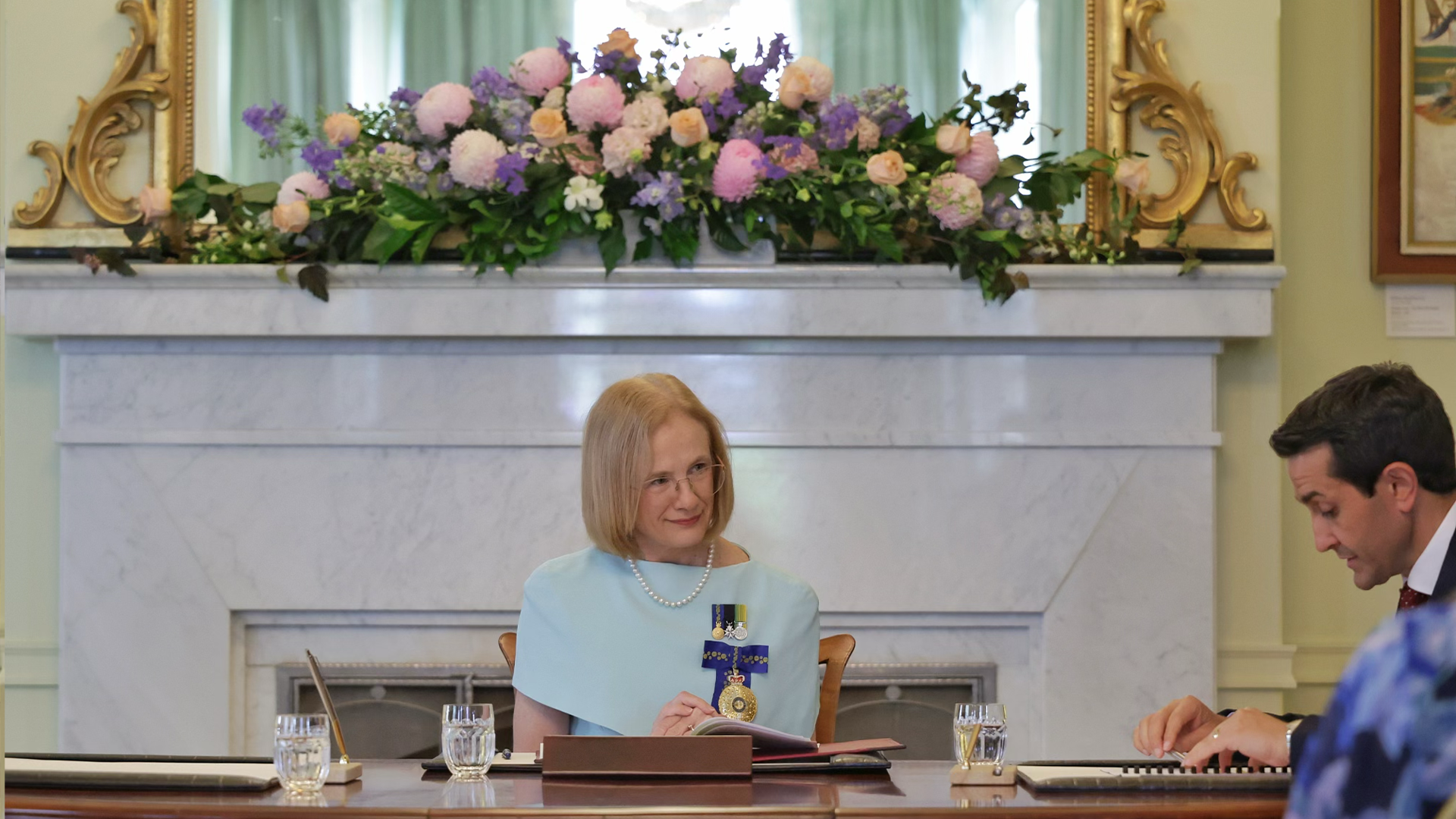
Investiture Room
The Investiture Room was added during extensive renovations in 1937.
It is used primarily for presenting Queenslanders with decorations under the Australian honours system, and for swearing-in the Premier and Ministers of the State.
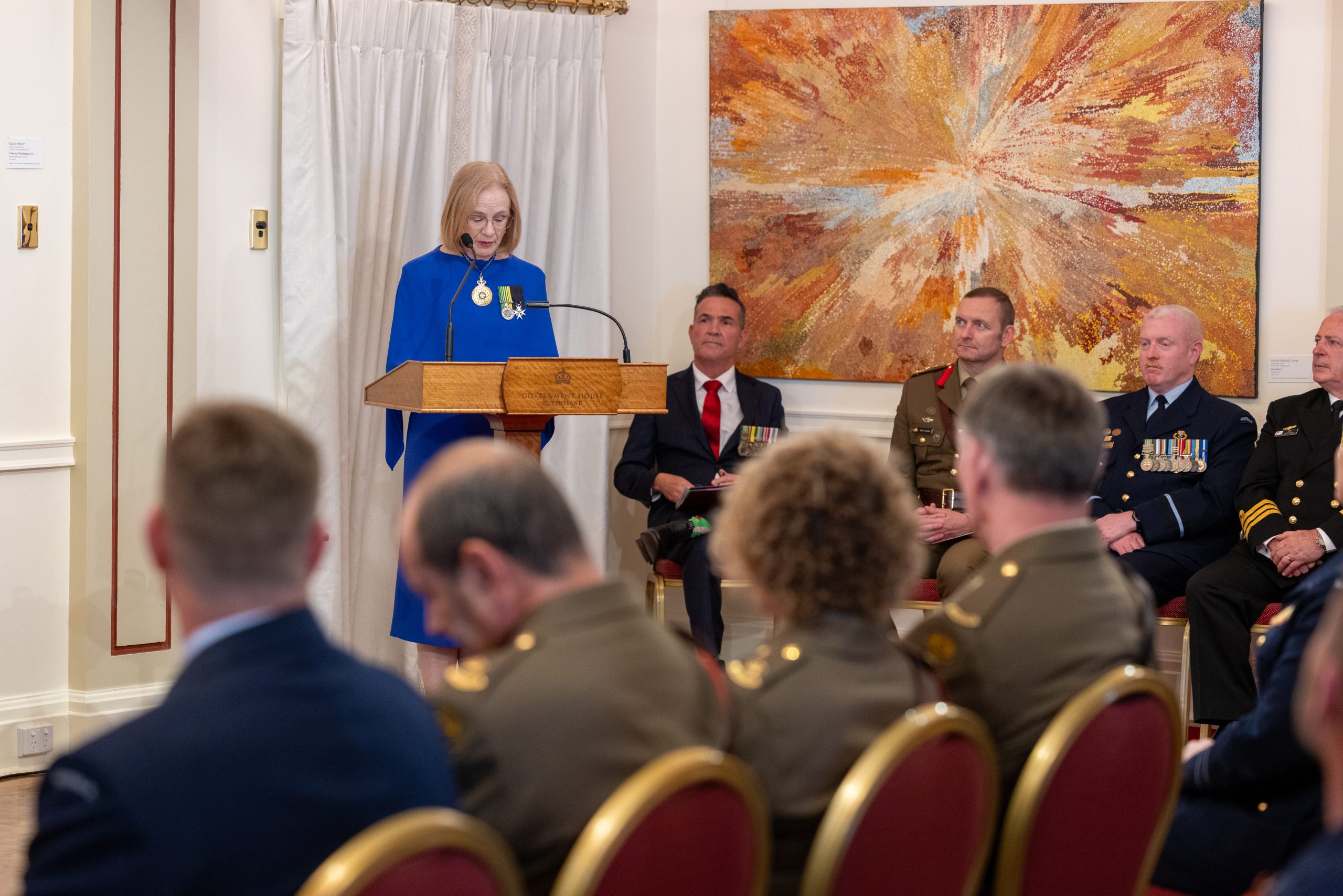
Virtual tour of Government House
Find out more about Fernberg Estate